How to Store Tea Properly and Keep It Fresh Longer
Tea is a widely popular drink, but it is highly sensitive to moisture, oxygen, light, and strong odors. Improper storage can quickly reduce aroma, flavor, and shelf life. Whether you sell loose-leaf tea, matcha, herbal tea, or premium gift tea, choosing the right storage method is essential for maintaining tea quality for premium tea brands.
What causes tea to lose freshness?
In Europe and the United States, the products typically sold include tea bags (CTC black tea), flavored teas (such as Earl Grey), matcha, and herbal teas; furthermore, tea is typically not stored under refrigeration in these regions. The following five points are the main reasons why these teas lose freshness:
Oxidation
The Number One Culprit of Flavor Loss: Polyphenols and aromatic substances in tea leaves oxidize upon contact with oxygen, leading to a decrease in freshness and loss of aroma. Oxidation of tea polyphenols darkens the color and weakens the flavor; oxidation of lipids decomposes, producing a stale or rancid taste.
For example, highly aromatic black teas (Darjeeling, Assam): oxidation quickly diminishes their unique “muscat grape” or “malty” aroma, making the tea bland and astringent.
Sencha/Matcha: Japanese teas are also popular in Europe and America. Ground into powder, they have a large contact area, resulting in an oxidation rate several times faster than whole-leaf tea. They should be consumed as soon as possible after opening.
dampness
A direct cause of mold growth. Humidity fluctuates greatly in many kitchens and living rooms. Once tea gets damp, not only does its taste deteriorate, but it can also breed mold. Deterioration accelerates when the moisture content of tea exceeds 6%-7%, and it easily produces mycotoxins when it exceeds 9%-12% (at which point the tea is no longer drinkable).
This is especially true if the tea is stored in a cabinet above the sink or in a container with a damp spoon.
light
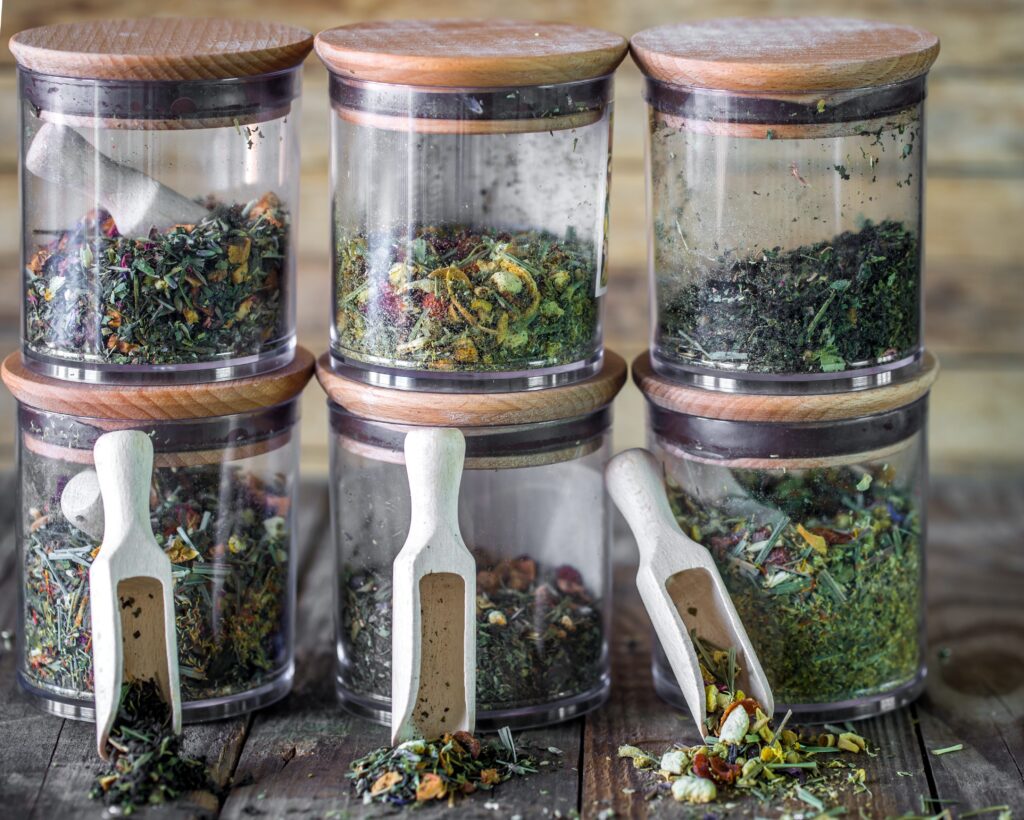
To showcase the beauty of tea, transparent glass jars or transparent plastic bags are often used in the European and American markets.
This is fatal to tea. Ultraviolet light catalyzes the decomposition of chlorophyll (turning green tea reddish-brown) and produces an unpleasant “sun-dried smell” (similar to the smell of sun-dried blankets). Therefore, avoid buying or using completely transparent containers to store tea.
High temperature
Although kitchens are usually at a constant temperature, the high temperatures in summer or near heaters significantly accelerate deterioration. For every 10°C increase in temperature, the browning rate of tea increases 3-5 times.
Therefore, it is not recommended to place tea near ovens/stoves, above radiators, or on windowsills exposed to direct sunlight in summer.
absorbing odors
The porous structure of tea leaves makes them highly susceptible to absorbing surrounding odors. Do not store tea leaves with coffee beans, spices (cinnamon/cloves), flavored teas (such as Earl Grey bergamot oil), cleaning agents, etc. Flavored teas (such as blueberry muffin or vanilla), while having strong aromas themselves, can easily “contaminate” other unflavored teas stored nearby.
Best Conditions for Tea Storage
For the average consumer, here’s the simplest and most practical way to store tea at home:
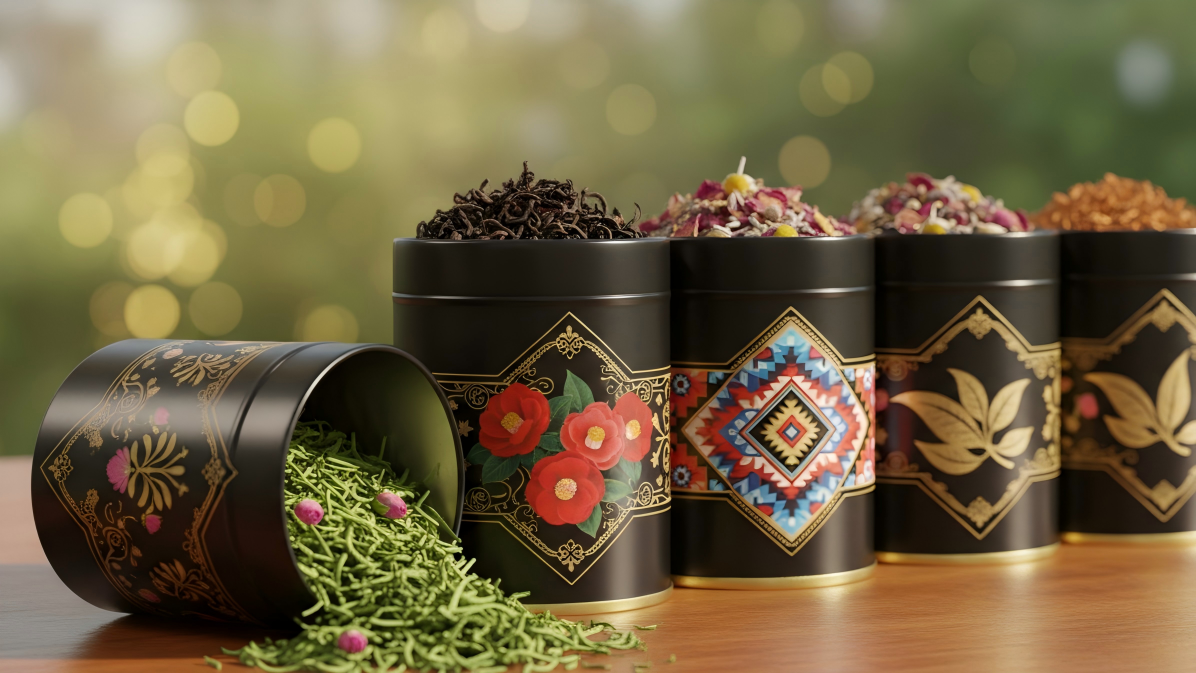
Buying an opaque, airtight metal tea jar (stainless steel or tinplate with a silicone sealing ring) is the most cost-effective tool for home tea storage.
Place the tea leaves, still in their original packaging, into this jar and store it in the most stable, coolest, and odor-free place in your home (such as the upper part of a bedroom wardrobe, a study drawer, or the lower part of a living room TV cabinet).
For teas like green tea and lightly roasted oolong: If you don’t finish it within a month, starting from the second month, put the jar in the refrigerator (make sure the jar is sealed tightly; the refrigeration process after removing it from the refrigerator follows the same rules as above).
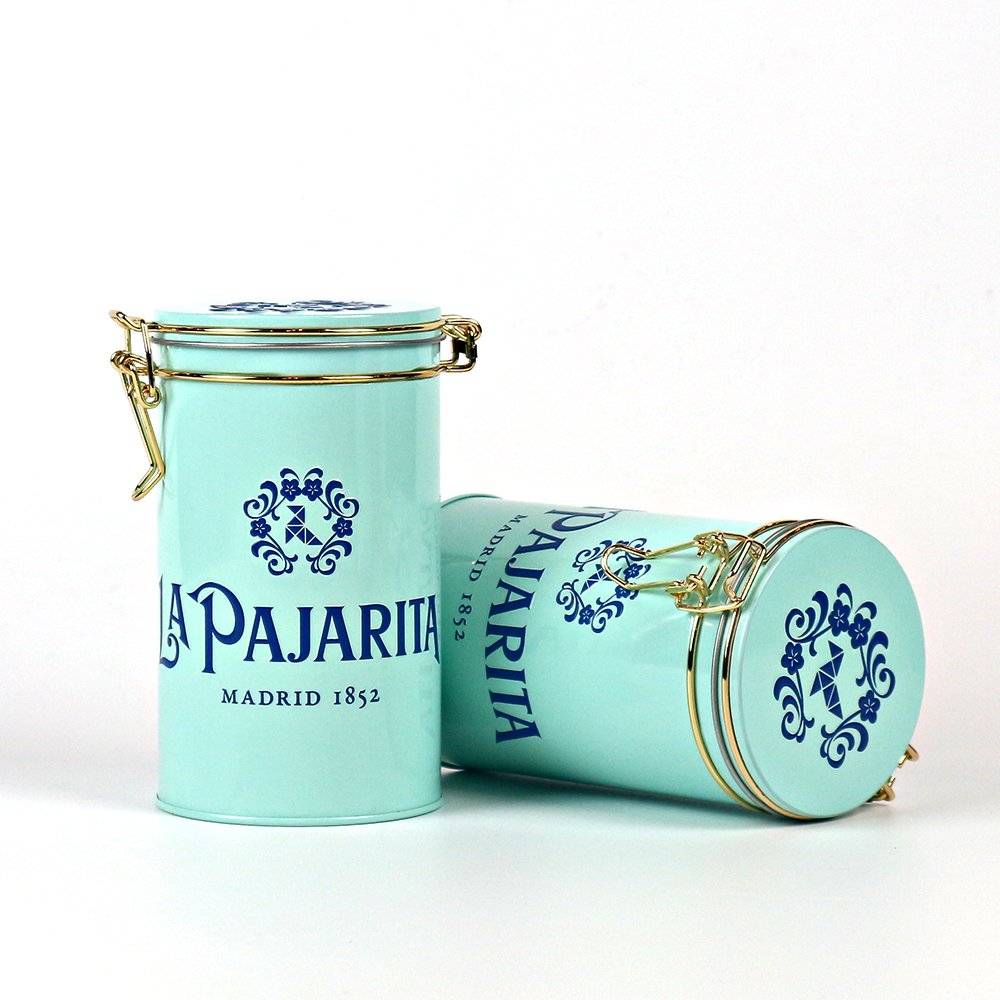
Why Tin Packaging Is Ideal for Tea Storage
Tin cans have become a “classic choice” for tea storage and packaging because they achieve a near-perfect balance between physical protection, preservation, practicality, and presentation. Tin cans also have their limitations, but these can be easily overcome with simple methods.
For long-term storage of top-quality tea, their aroma retention ability may be slightly inferior to that of expensive tin cans. In terms of texture, compared to ceramic or tinware, they may feel somewhat “common.”
If you are pursuing ultimate freshness preservation, you can do the following:
“Double packaging” method: First, seal the tea in a high-barrier food-grade aluminum foil bag, then place it in the tin can. This is a method used by many tea merchants and experienced tea drinkers, combining the advantages of both to achieve the best preservation effect.
Tin vs Other Tea Packaging Materials
| Packaging Type | Protection | Premium Look | Reusable |
|---|---|---|---|
| Plastic Bag | Low | Low | No |
| Paper Box | Medium | Medium | No |
| Glass Jar | Medium | High | Limited |
| Tin Can | Excellent | Excellent | Yes |
Further Reading:
How to Choose the Right Tea Tin Container
Different types of tea require different tin packaging solutions in the U.S. market. This is because tea products vary in:
- moisture sensitivity
- oxidation speed
- aroma retention
- shelf life requirements
- brand positioning
For tea brands, choosing the right tea tin container is not only about storage — it also affects product freshness, retail presentation, and customer experience.
This section can serve as both a practical buying guide and a real-world packaging reference for tea businesses looking for custom tea tin packaging solutions.
Below kind of airtight tea tins and double lid tea canister are great for green tea, oolong tea, white tea, premium black tea as well as blend tea.
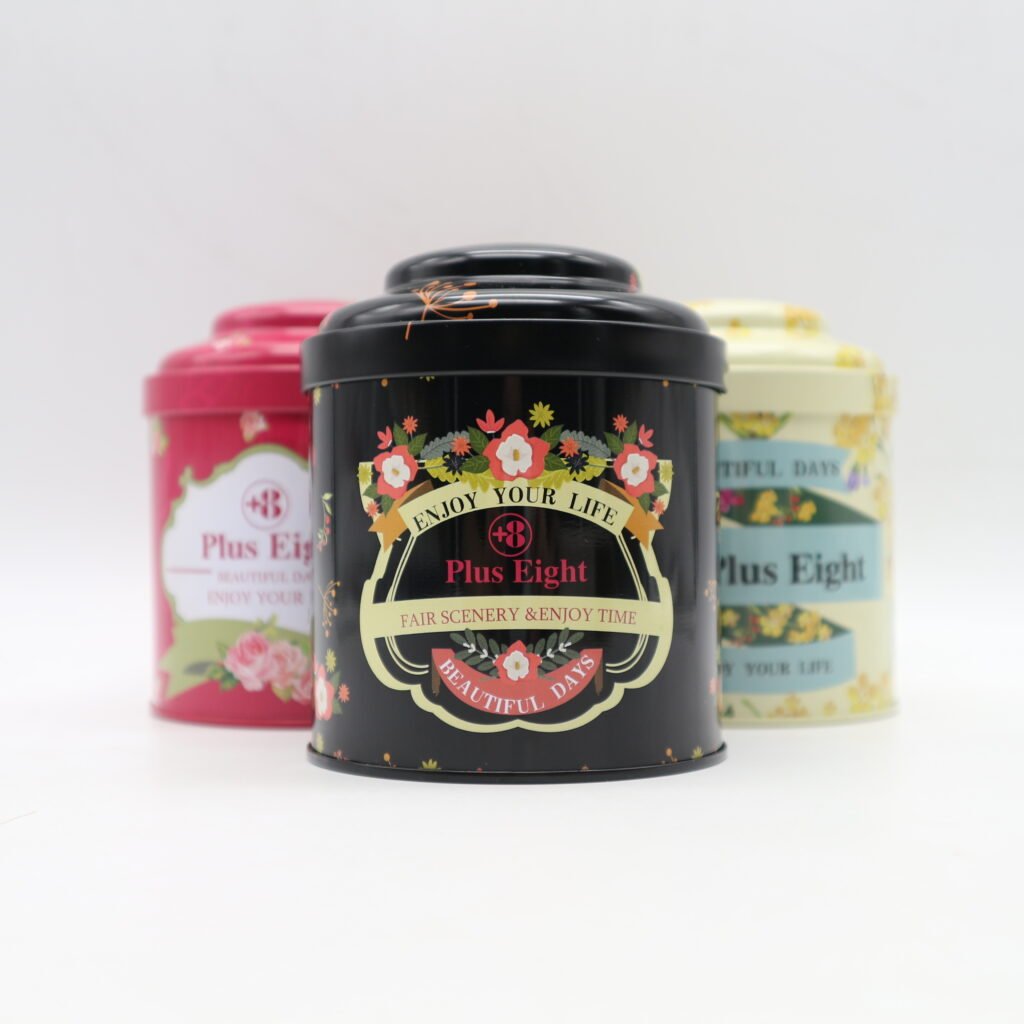
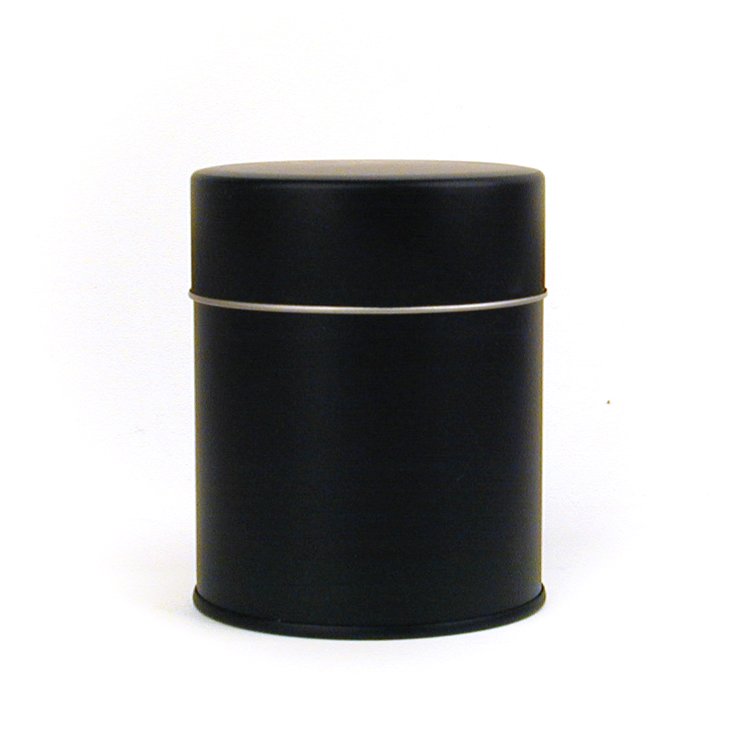
Loose leaf herbal tea
Loose leaf herbal tea are valued for their natural aroma, floral flavor, and wellness benefits. Popular U.S. herbal teas like chamomile, peppermint, lavender, rooibos, and hydrangea tea contain delicate botanical oils that can easily lose freshness when exposed to air, moisture, heat, or strong odors.
For this reason, many premium herbal tea brands prefer airtight tea tins or double-lid tea canisters to help preserve aroma, protect flavor, and maintain product quality. Reusable tea tins also enhance shelf appeal and create a more premium packaging experience for consumers.
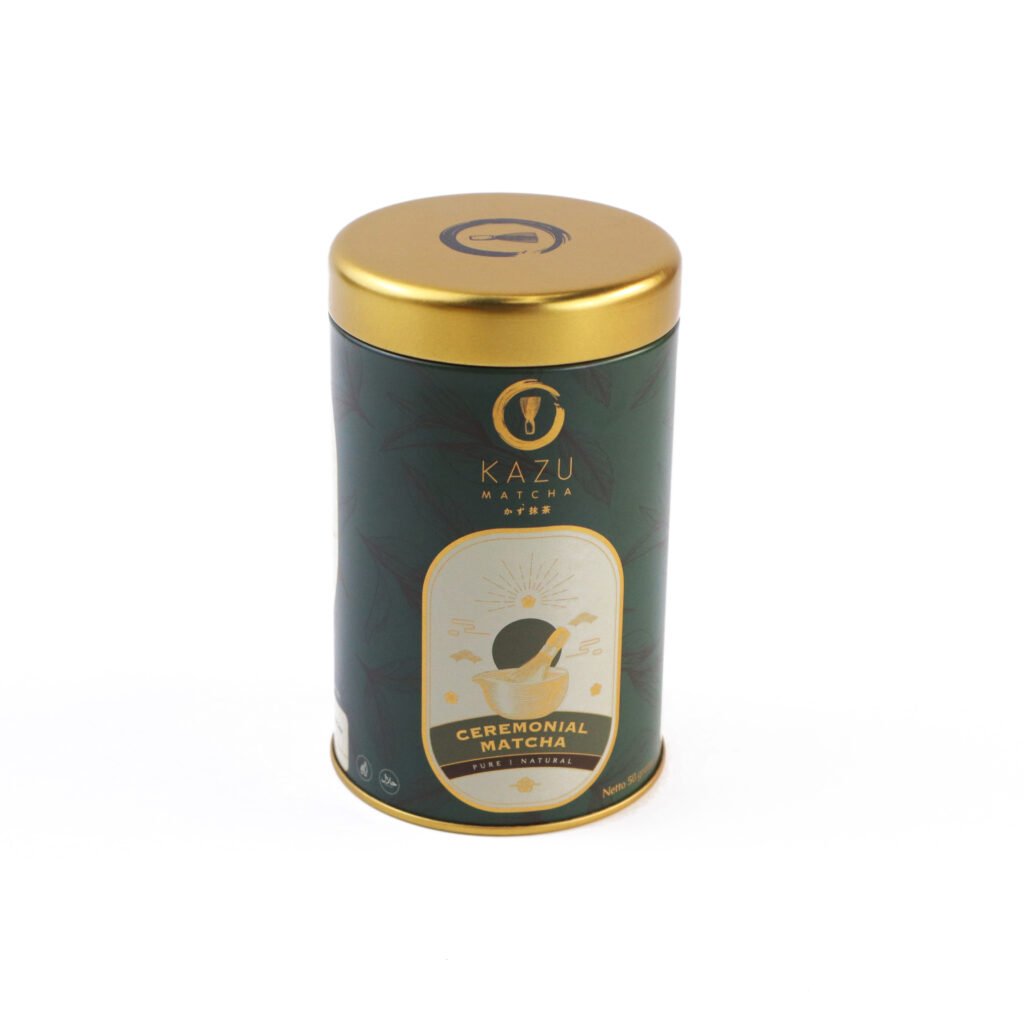
Round tin Can – Slip Lid, Dia74x120mm
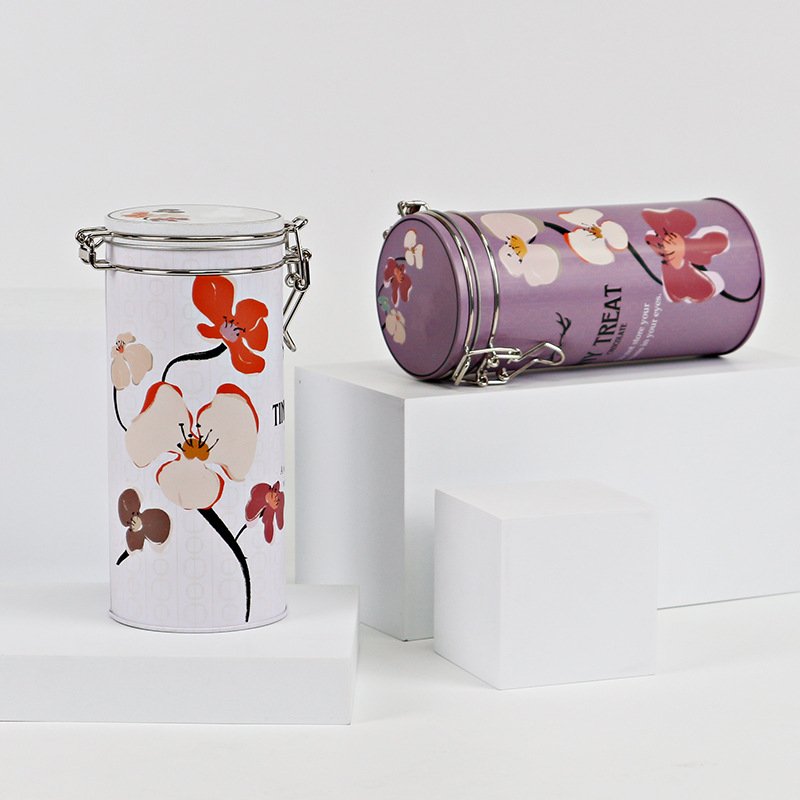
Cylinder Tin Can – Clip lid, Dia85xH180mm
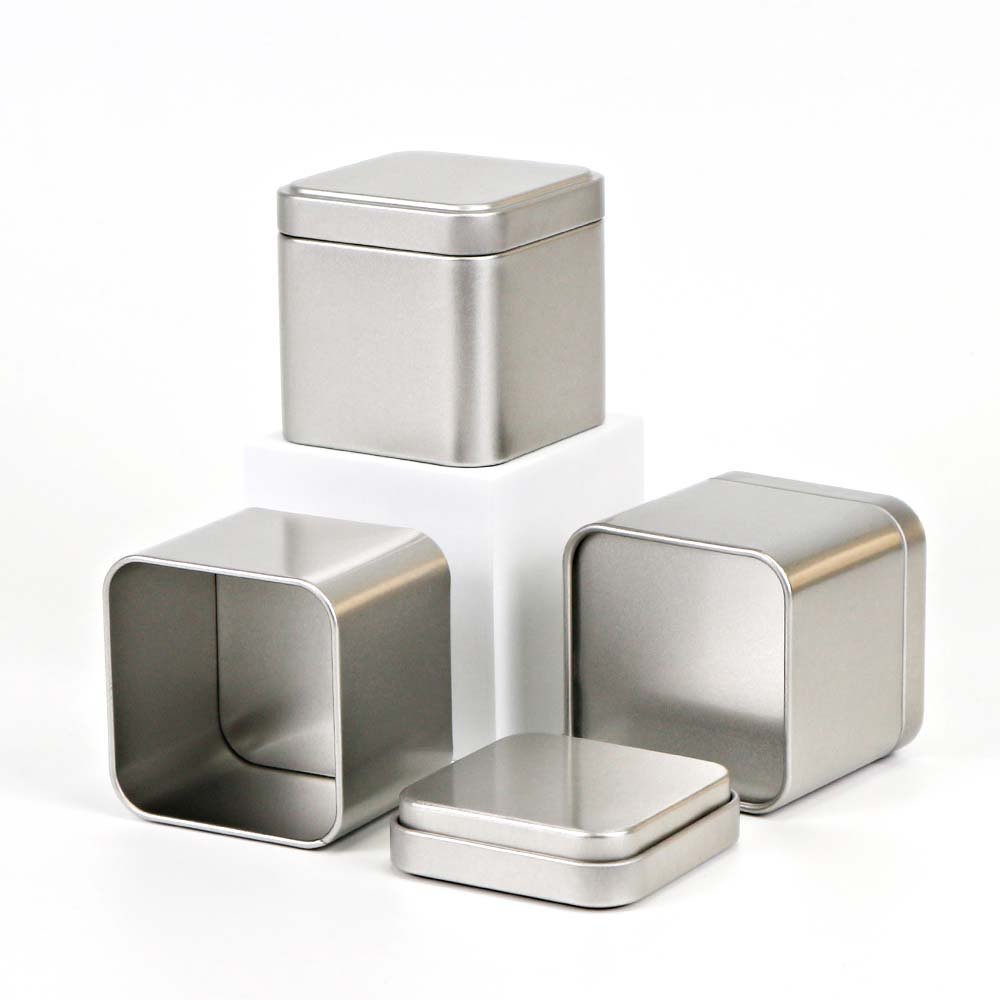
Custom Tin Box – Square, pillow lid, 70x70x70mm
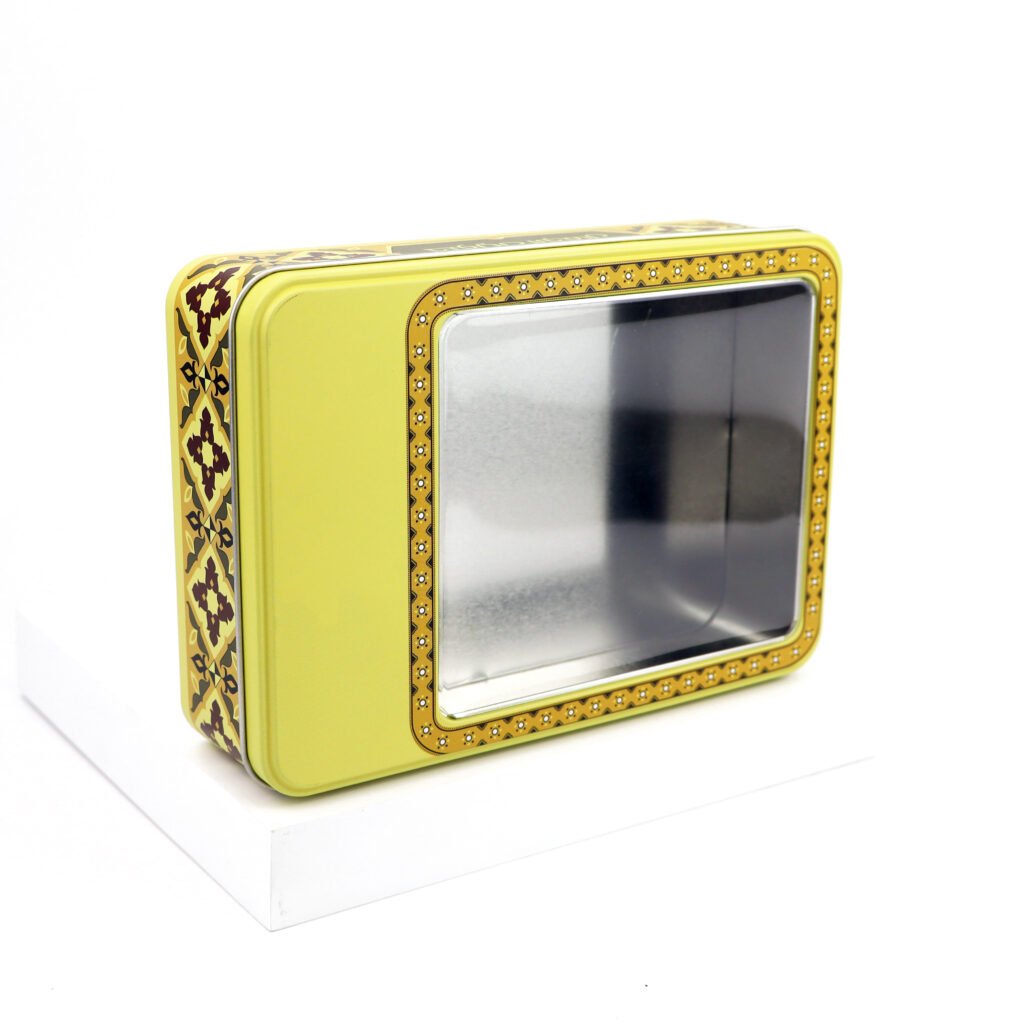
Rectangular tin Can – window Lid, 197x137x50mm
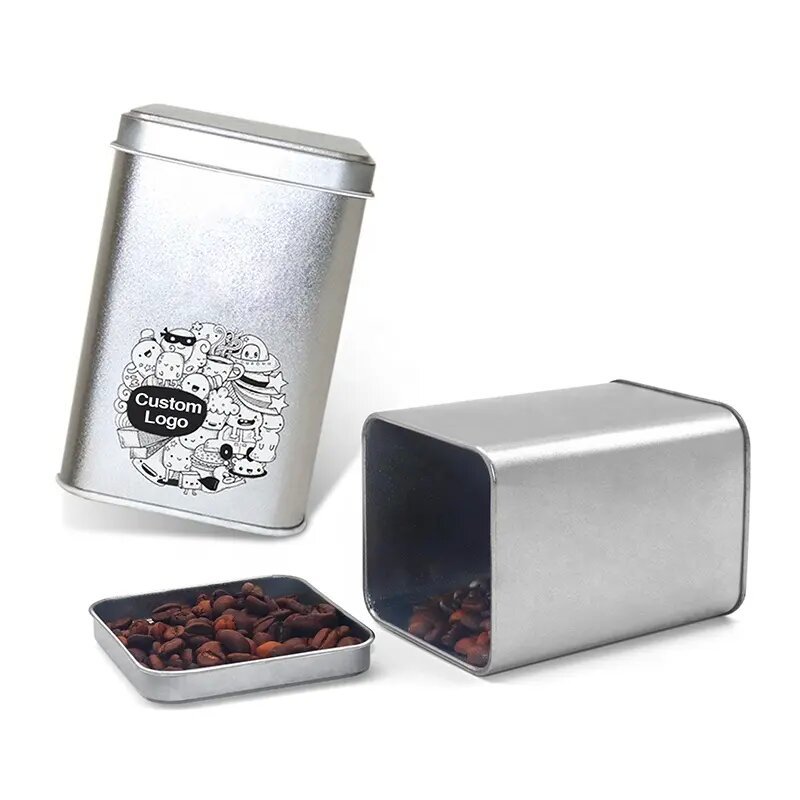
Square tin Can – Slip Lid, 75x75x96mm
Tea Bags
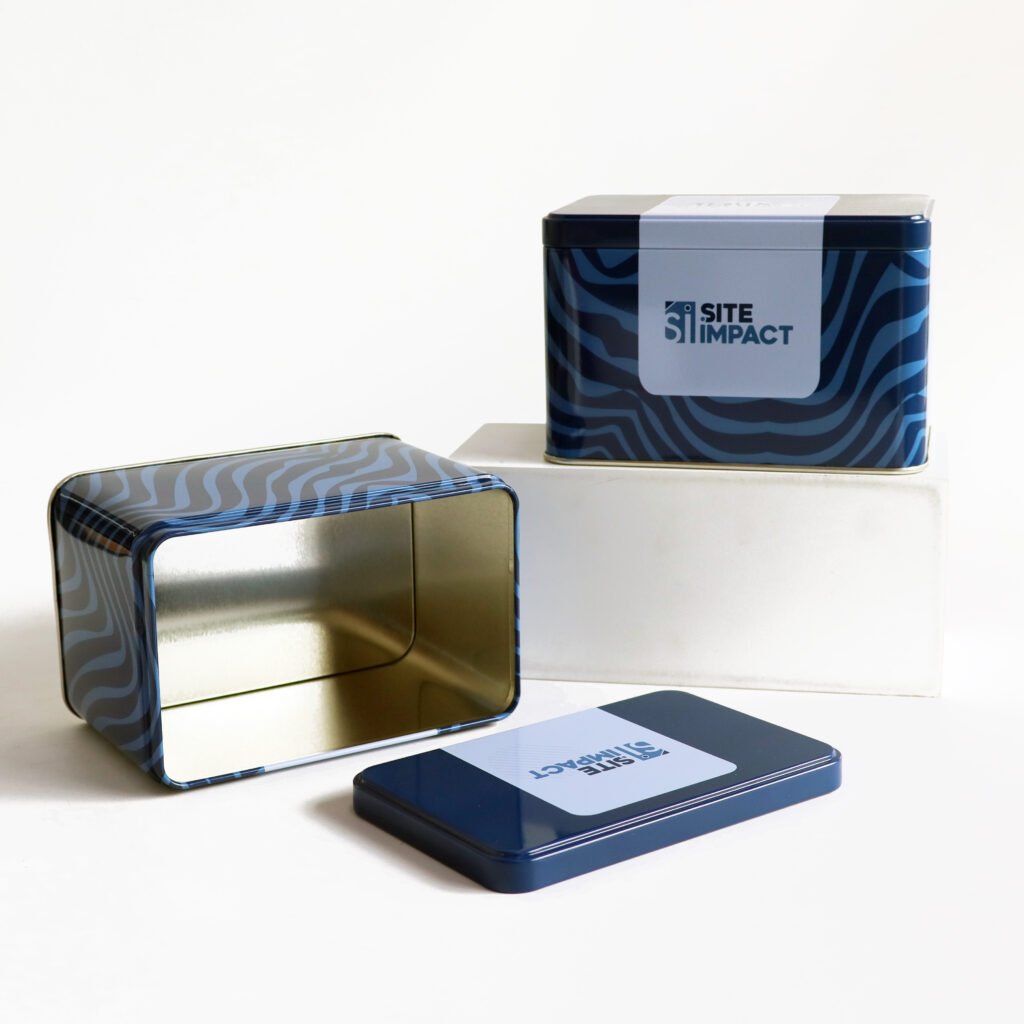
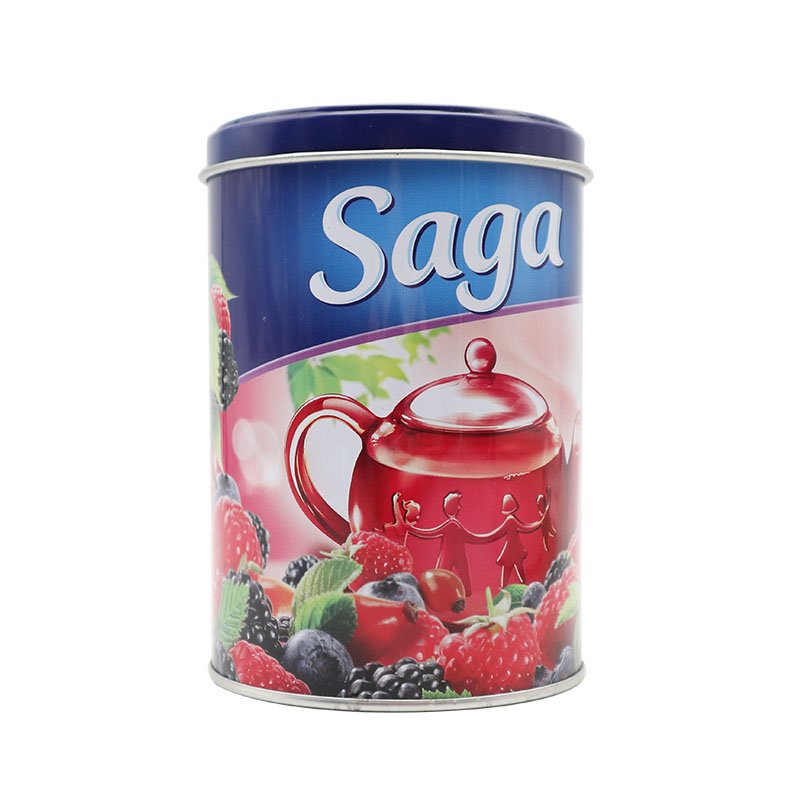
They are widely used for black tea, herbal tea, chamomile tea, peppermint tea, English breakfast tea, Earl Grey tea, green tea blends and wellness & functional teas.
Unlike loose leaf tea, tea bags usually have lower requirements for ultra-high airtight packaging because each tea portion is already individually packed inside paper sachets, foil envelopes, or sealed filter bags. Retail shelf display, convenience, gift presentation, supermarket presentation and multi-flavor assortment packaging are the core.
Matcha
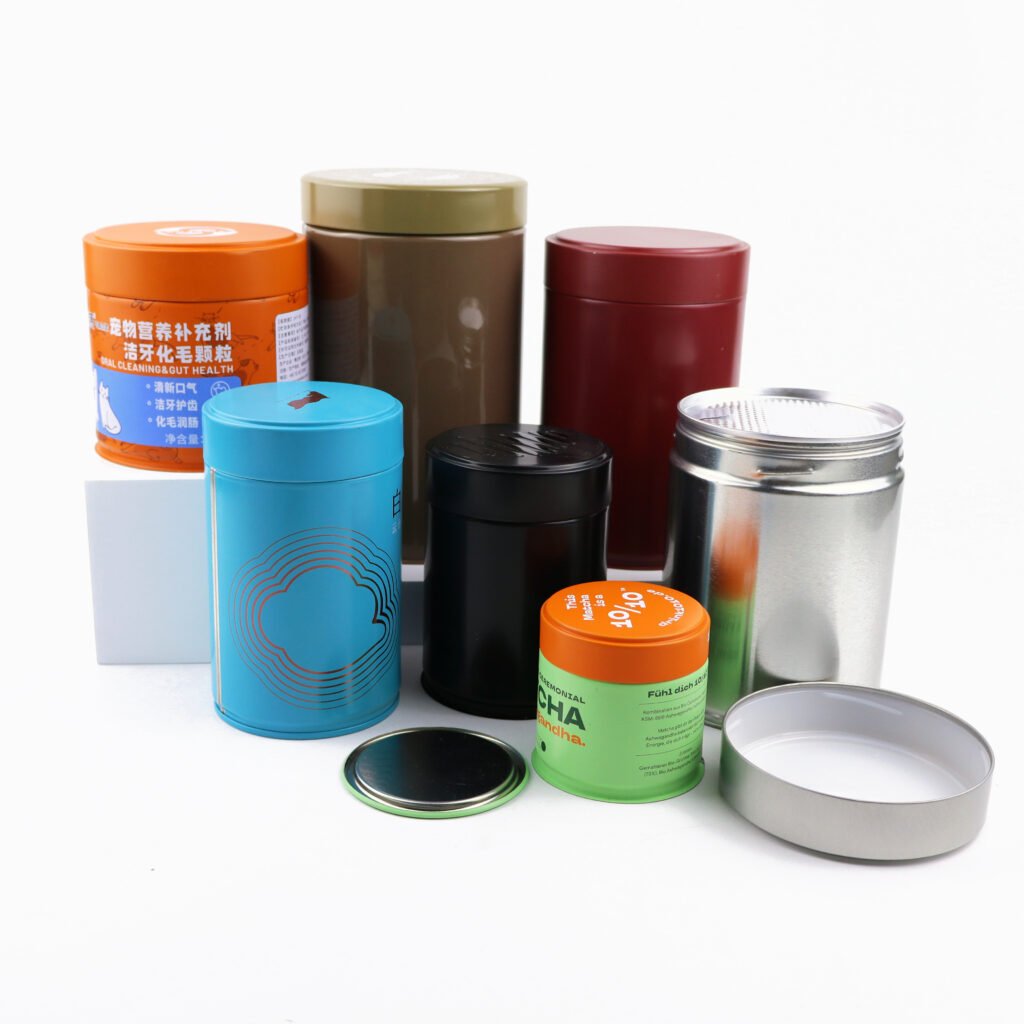
Matcha is one of the most packaging-sensitive tea products because matcha is made from finely ground green tea powder, it is extremely sensitive to large surface area exposure, faster oxidation speed, higher sensitivity to moisture.
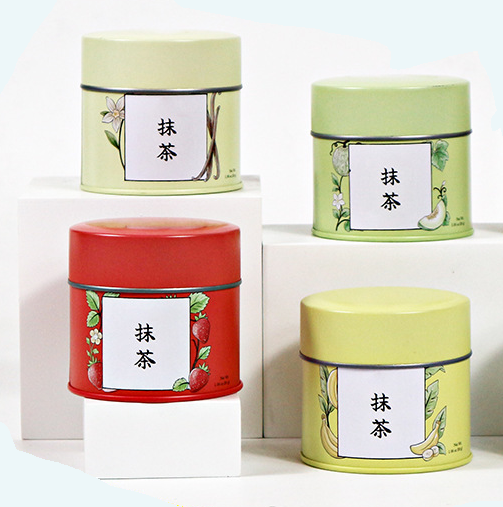
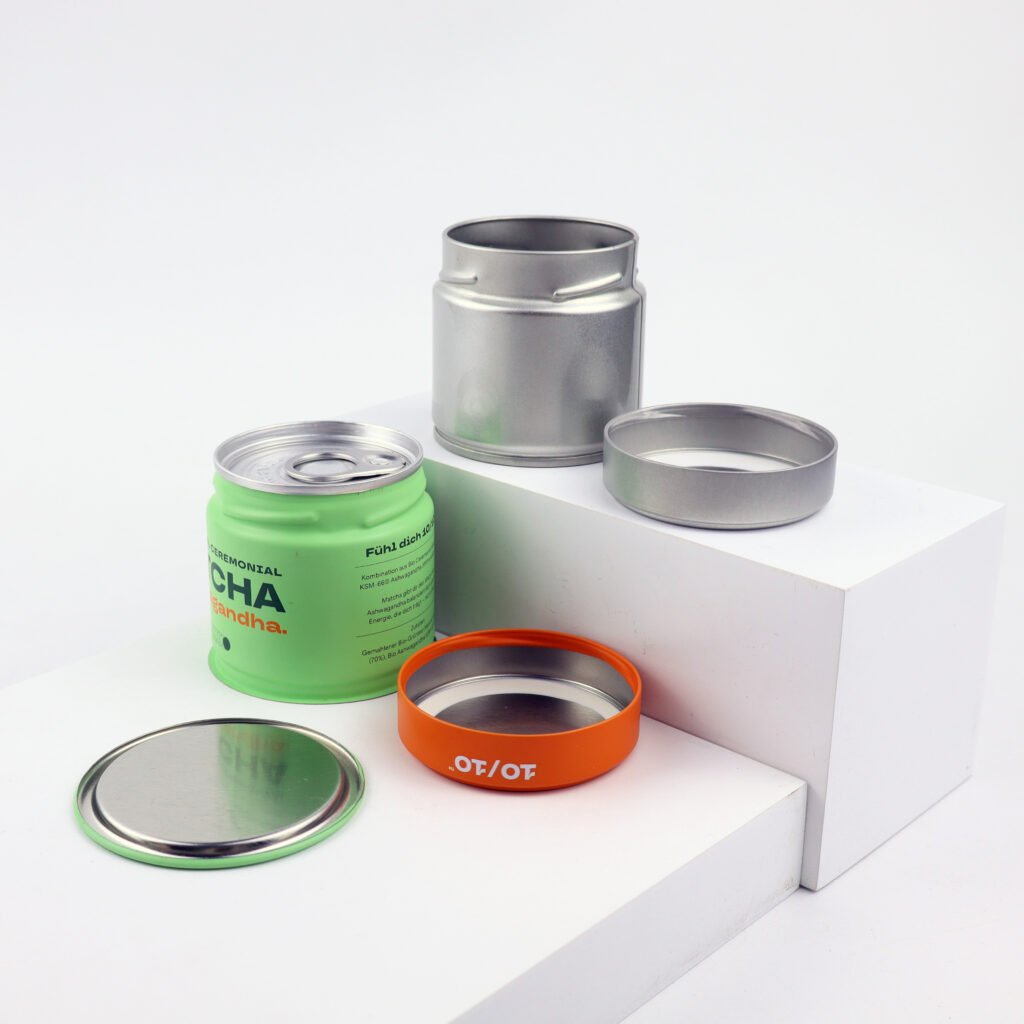
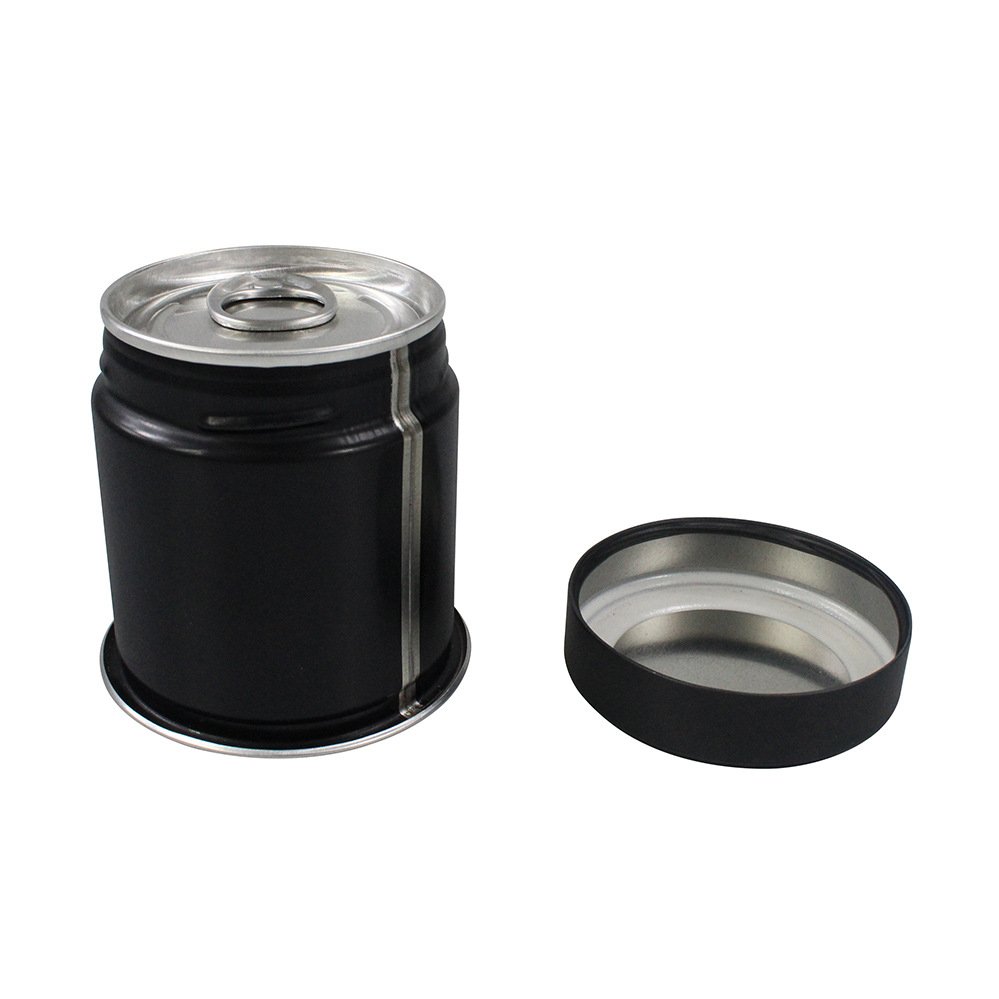
Brands use nitrogen flushing, double lid structures, inner aluminum seals to maximize shelf life and preserve flavor. Most premium matcha brands use small airtight tins because matcha loses freshness very quickly after opening.
Custom Tea Tin Packaging for Tea Brands
For tea brands, packaging is more than just a container — it directly influences freshness, shelf appeal, customer experience, and brand value. As a professional tea tin manufacturer, we help B2B clients develop custom tea packaging solutions that combine product protection with premium presentation.We have over 700+ existing mold great for versatile teas packaging. Contact us to learn more about tea tin packaging possibilities.
Why Work With Us for Custom Tin Box Projects?



How to Get Started – Quick Steps to Your Custom Quote
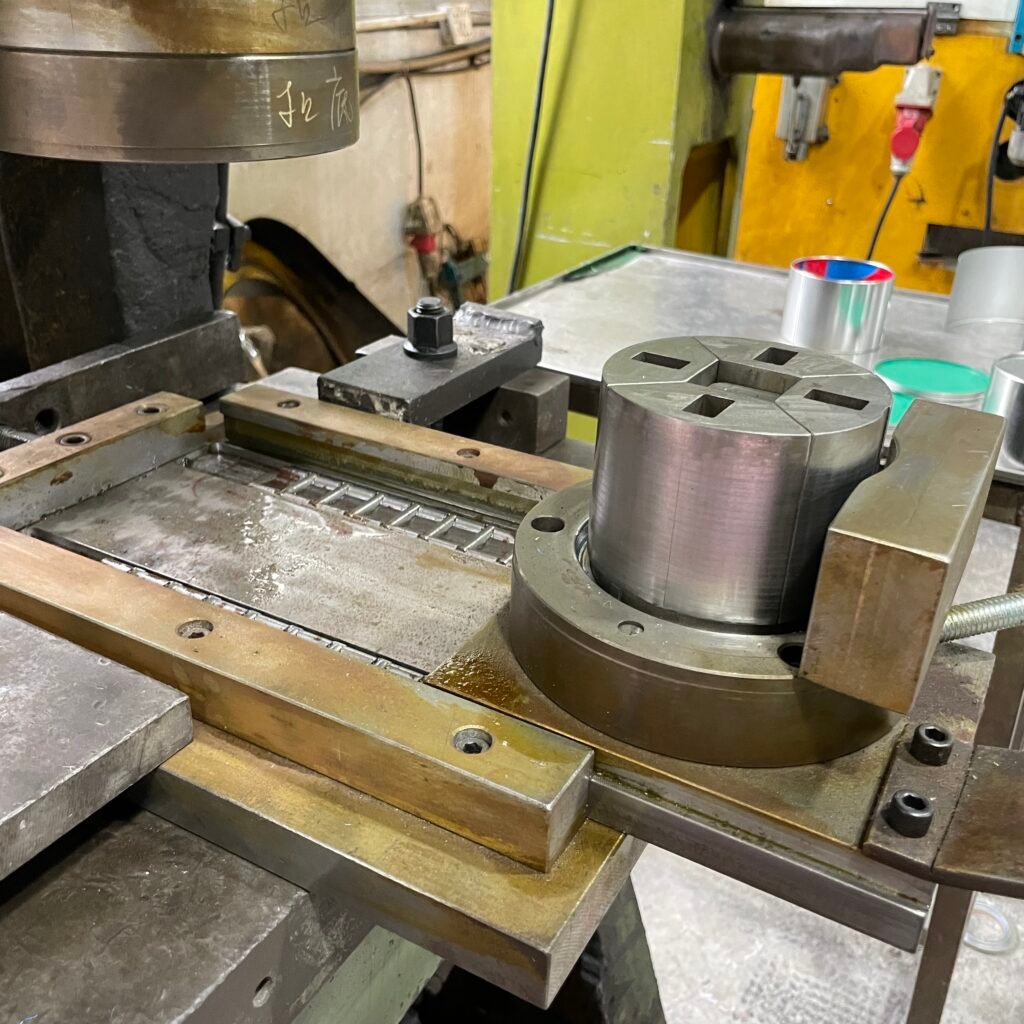
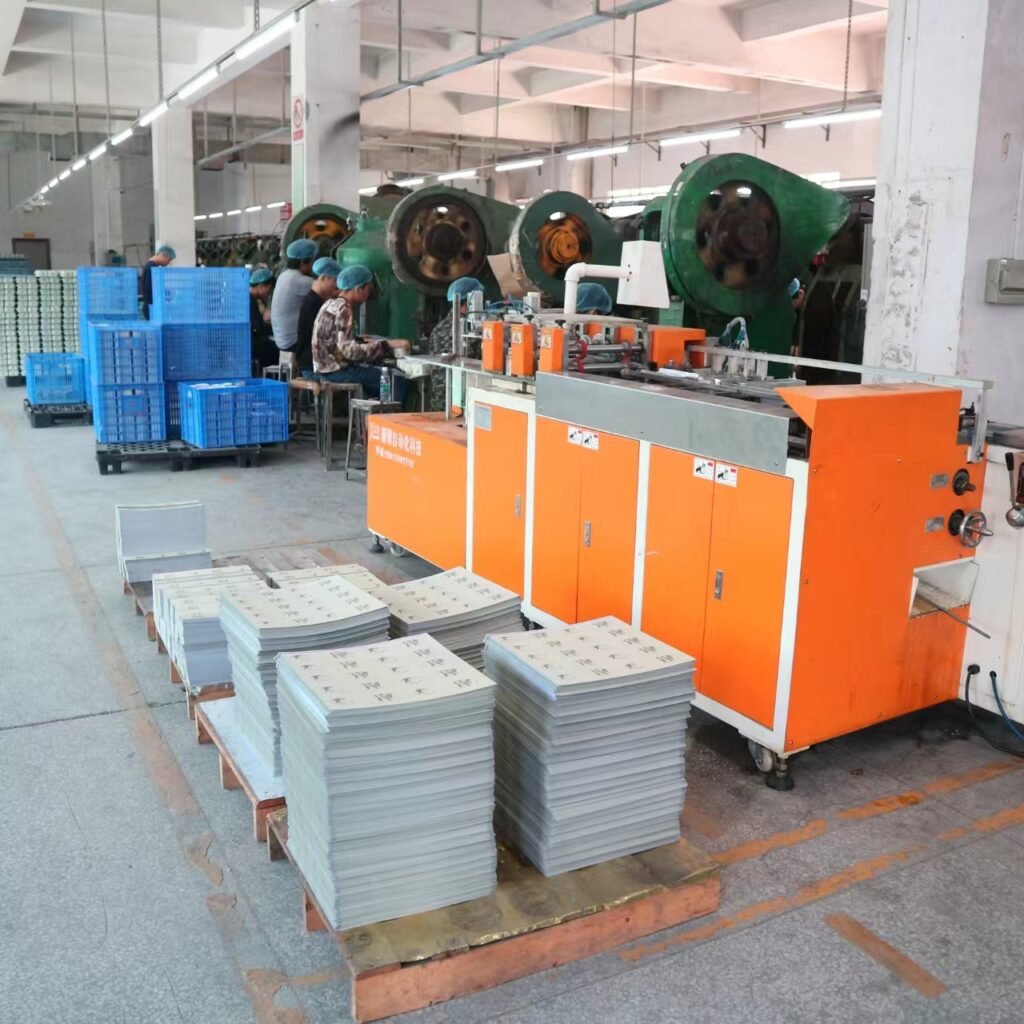
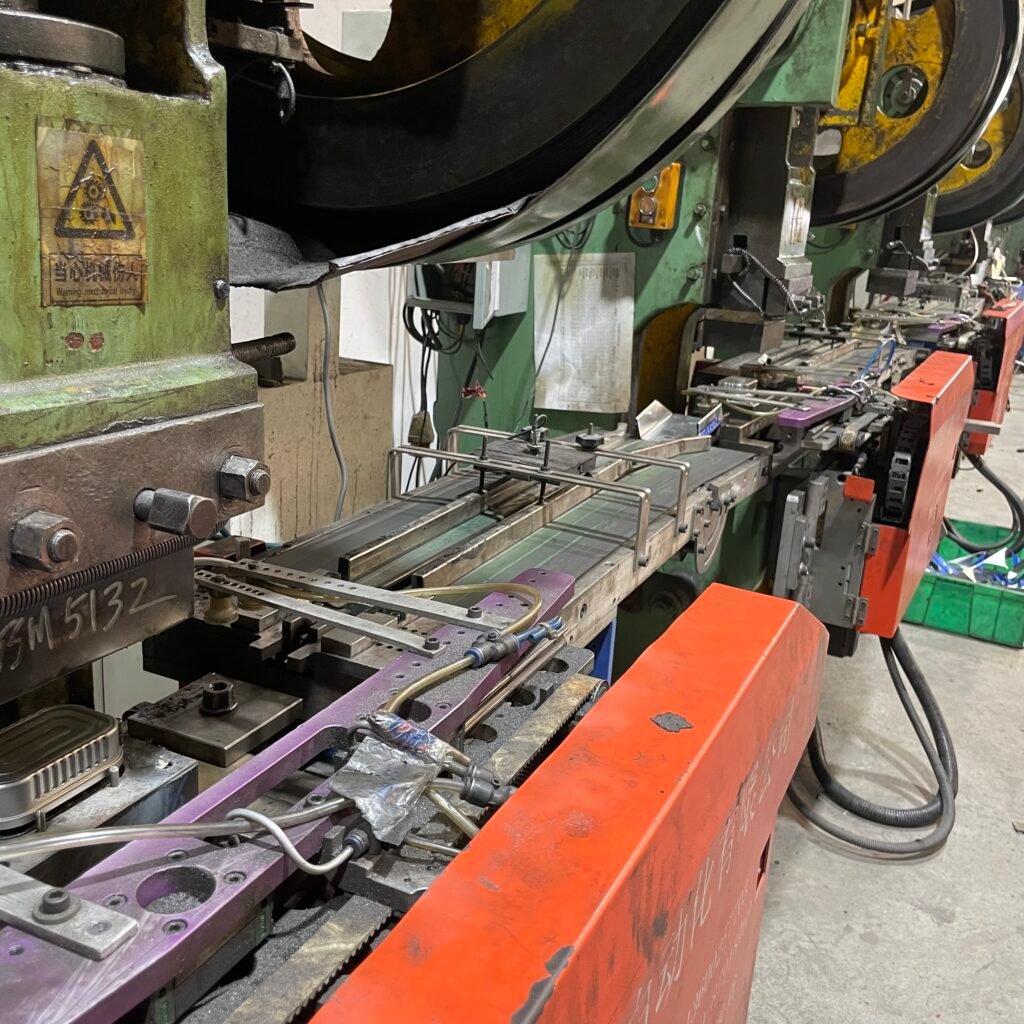
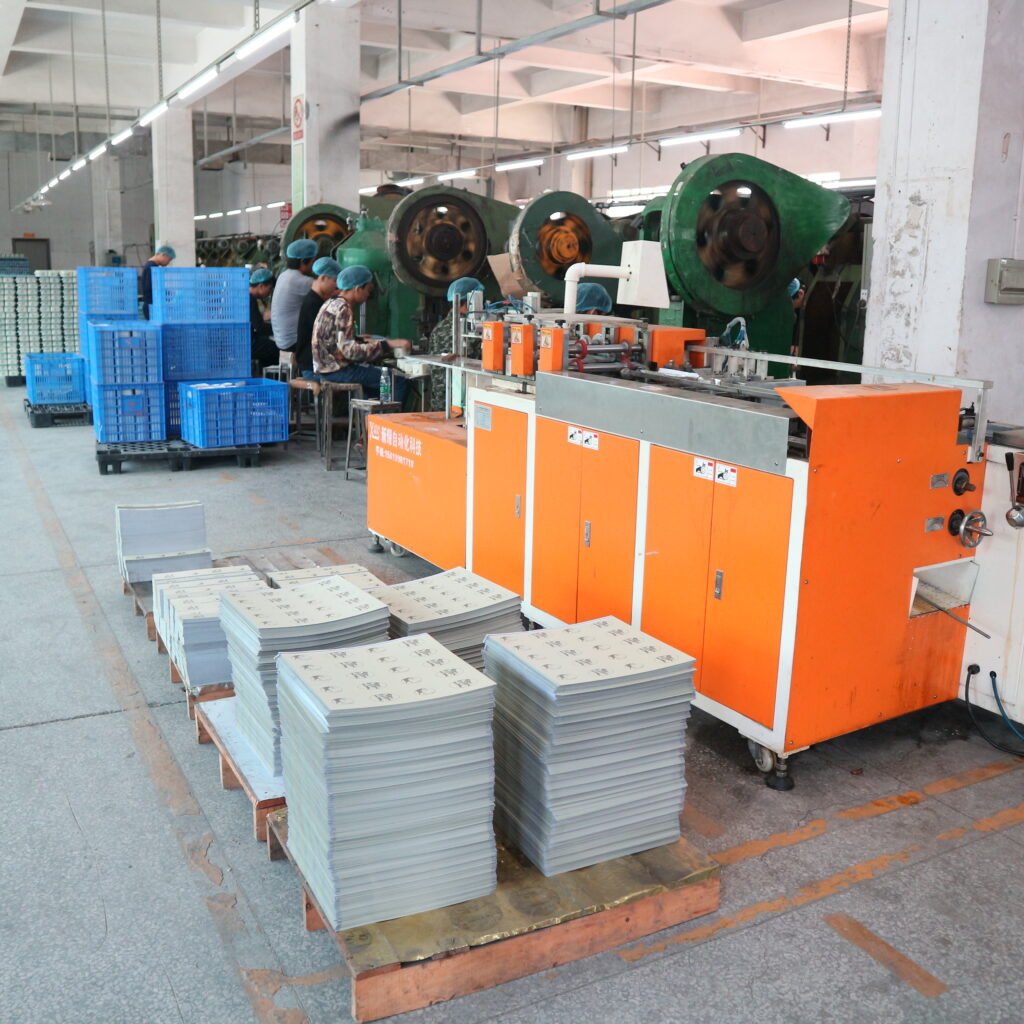
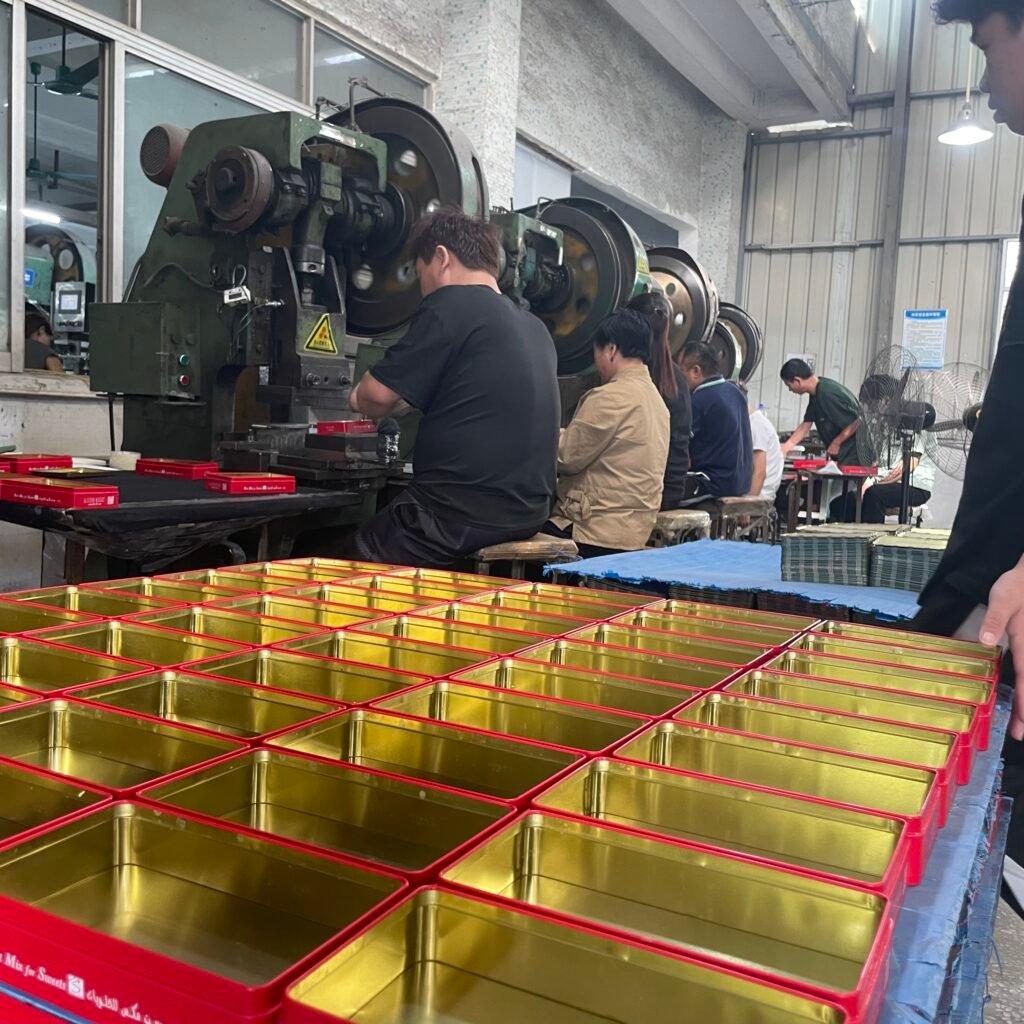
The production of customized tins includes tinplate material preparation, printing, cutting tinplate sheets, installing the mold, stamping, cleaning, and assembly.
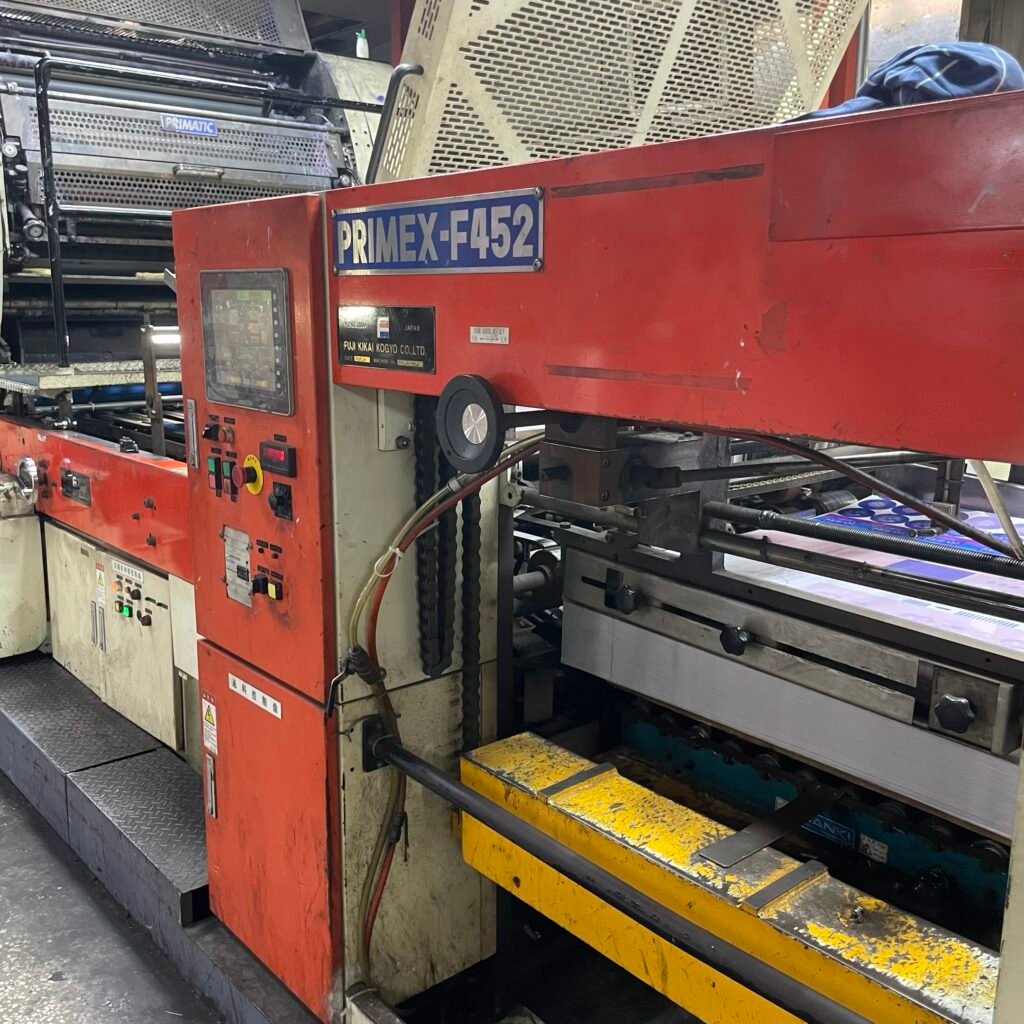
When printed tinplate sheets are ready, workers prepare to cut them into pieces for the punching process.
Engineers would install and adjust the mold. Tin boxes would take about 10 molds or more to complete, depending on the structure of the tin box. Engineers need to make sure each mold punching process goes smoothly and no scratches or other quality issues are caused by the mold.
The punching process requires lots of labor and machines to finish. For large orders, it can be done by automatic machines. For small orders, production by staff would be more efficient.
Once the tin box punching process is finished, it will be cleaned and assembled. This process would be done by workers. Each tin box has to be cleaned, checked and packaged to ensure quality and safe delivery.
Accessory cost- if there are accessories on your customized tin box like handle, inserts, window, locks that would add extra cost not only for the accessory itself cost but also add extra labor cost to install them.
In general, tin box customization MOQ requests are above 3000 pcs or 5000 pcs. Here, recommend using the supplier’s existing mold to save cost and time. Furthermore, before quotation, please advise the size of the tin box, shape and lid type to better evaluate.
Learn More: How to Customize Tin Boxes